No products in the cart.

Flavor Profile & Culinary Uses

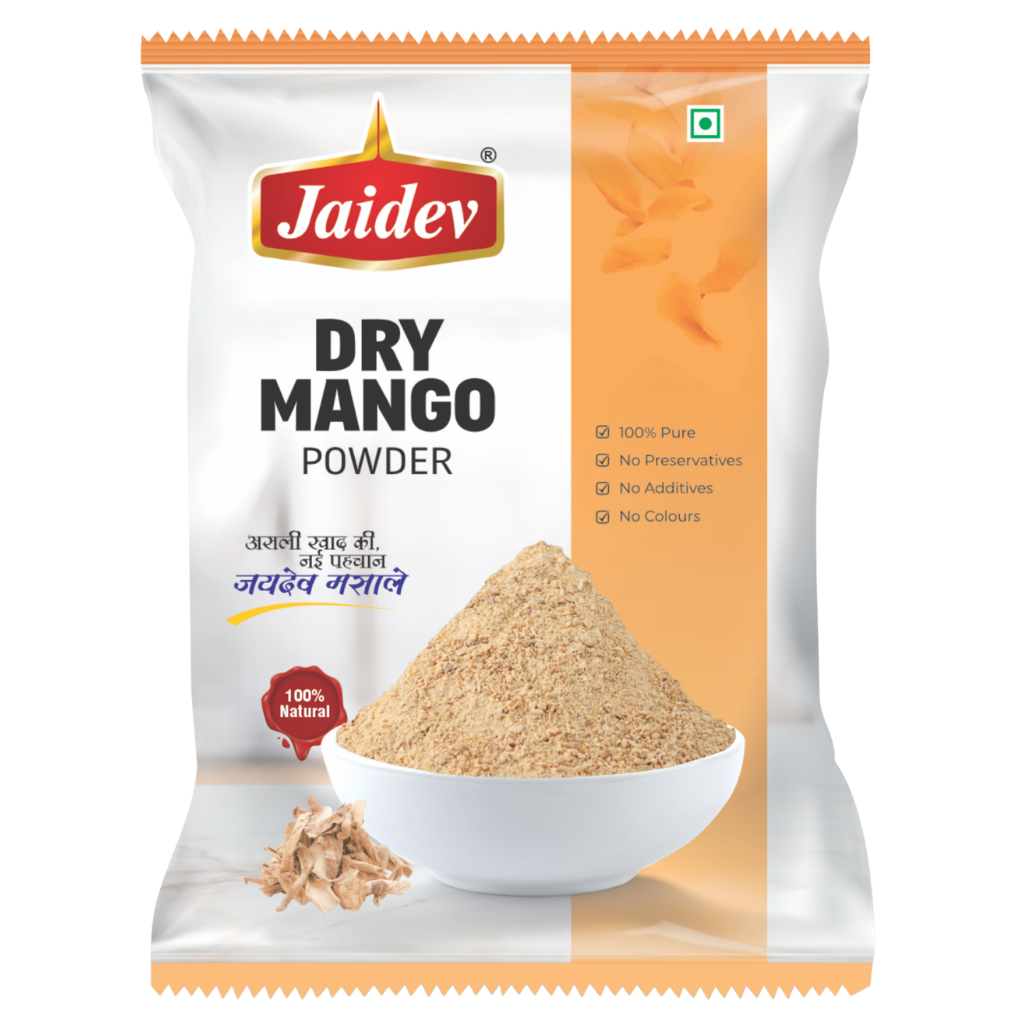
Amchur is prized for its gentle sourness, which enhances dishes without overpowering other spices. It blends seamlessly with both dry and gravy-based preparations. A small quantity can transform simple recipes by adding depth and balance.

Use it in vegetable sabzis, lentils, chickpea curries, and snacks like pakoras, chaat, and samosas. It also works beautifully in marinades, dry rubs, and spice mixes. Sprinkle it towards the end of cooking to keep the tang fresh and vibrant. For a complete seasoning experience, explore our Salt & Seasoning collection that pairs perfectly with amchur-based recipes.
Cooking Tips & Pairing Suggestions

Amchur works best when added in small quantities, allowing its natural tang to gently enhance the overall flavor of a dish. For dry vegetables and stir-fries, add it during the final stage of cooking to preserve its fresh, fruity taste. In gravies, a pinch towards the end helps balance spices and enrich flavor without making the dish heavy.

This spice pairs exceptionally well with cumin, coriander, black pepper, and chili powder. It is also commonly used in homemade spice blends and seasoning mixes for snacks. When combined with roasted spices, it adds depth and a pleasant sour note that elevates simple recipes.


Traditional Importance in Indian Cooking

Dry mango powder has been used for generations in Indian kitchens as a natural souring agent. Unlike lemon or tamarind, it does not add liquid, making it ideal for dry preparations. It also helps balance rich or spicy foods with a mild, fruity tang.

From North Indian sabzis to street-style snacks, amchur is a versatile spice that complements a wide range of dishes. Learn more about the traditional use of amchur from this trusted source on Amchur – Wikipedia.

weight

100g, 200g, 500g

Subscribe
Subscribe

Newsletter

Enter your email below to the first to know about collections